




COURSES FOR SCHOOL LEAVERS
Your Future Starts Here
With hundreds of exciting courses, this is where your journey begins. From day one, you'll be supported, inspired, and on track to a rewarding career.
See SubjectsJoin a Career Excellence Hub and gain real-world skills, experience, and confidence to reach your goals.
Whether you're finishing school, changing direction, or learning English with our ESOL courses – we’ve got you covered.
Get started today – pick a subject and apply online in just 5 minutes!

Find Your Future Path














QUALIFICATIONS EXPLAINED
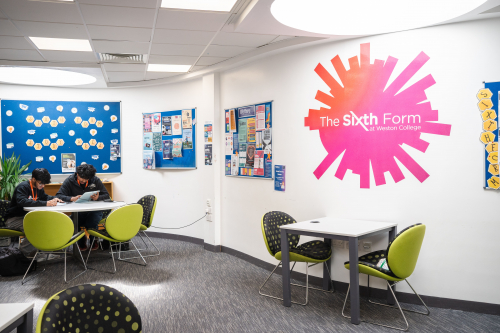
A Levels develop the knowledge, skills and study habits to excel at university, as well as the attributes recognised by employers.
Your academic studies will be complemented with enrichment opportunities such as trips, mentoring and work experience, providing the perfect springboard for your future career.
A Levels are assessed through exams at the end of two years of study. Most learners study three subjects - some choose four.
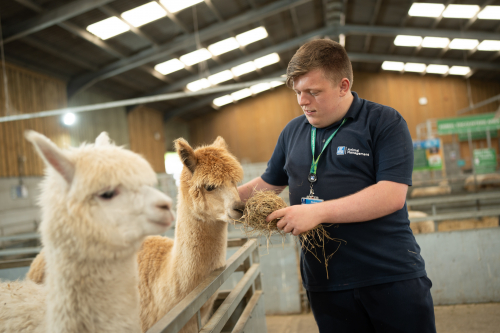
With an apprenticeship you’ll go straight into the workplace and be shown clear routes to progress straight into employment within a specific occupation. You can achieve nationally recognised qualifications, earn a wage, and gain skills that will see you get ahead. On average you will spend 20% of your learning time in the college and 80% within the workplace
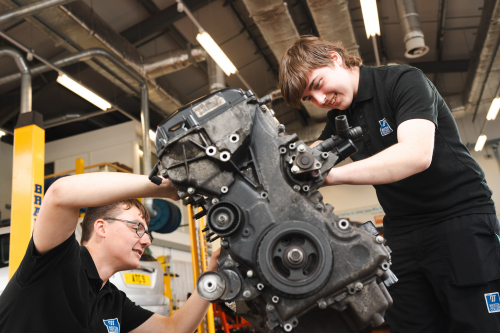
Professional and technical qualifications are designed to provide you with the knowledge, skills and behaviours needed to gain employment within specific industries or occupations. They provide a balance between theory and practical skills development. They are suited to those who want to get hands-on experience within a particular vocational area. These programmes include work placements. Assessment is more varied and will include exams, coursework and practical work.
T Levels give you the chance to learn what a real career is like while you continue your studies. T Levels have been designed with leading businesses and employers to give you the knowledge and skills you need, including a minimum of 45 days on an industry placement – this means you will spend 80% of your learning time in College and 20% within the workplace.
LATEST NEWS
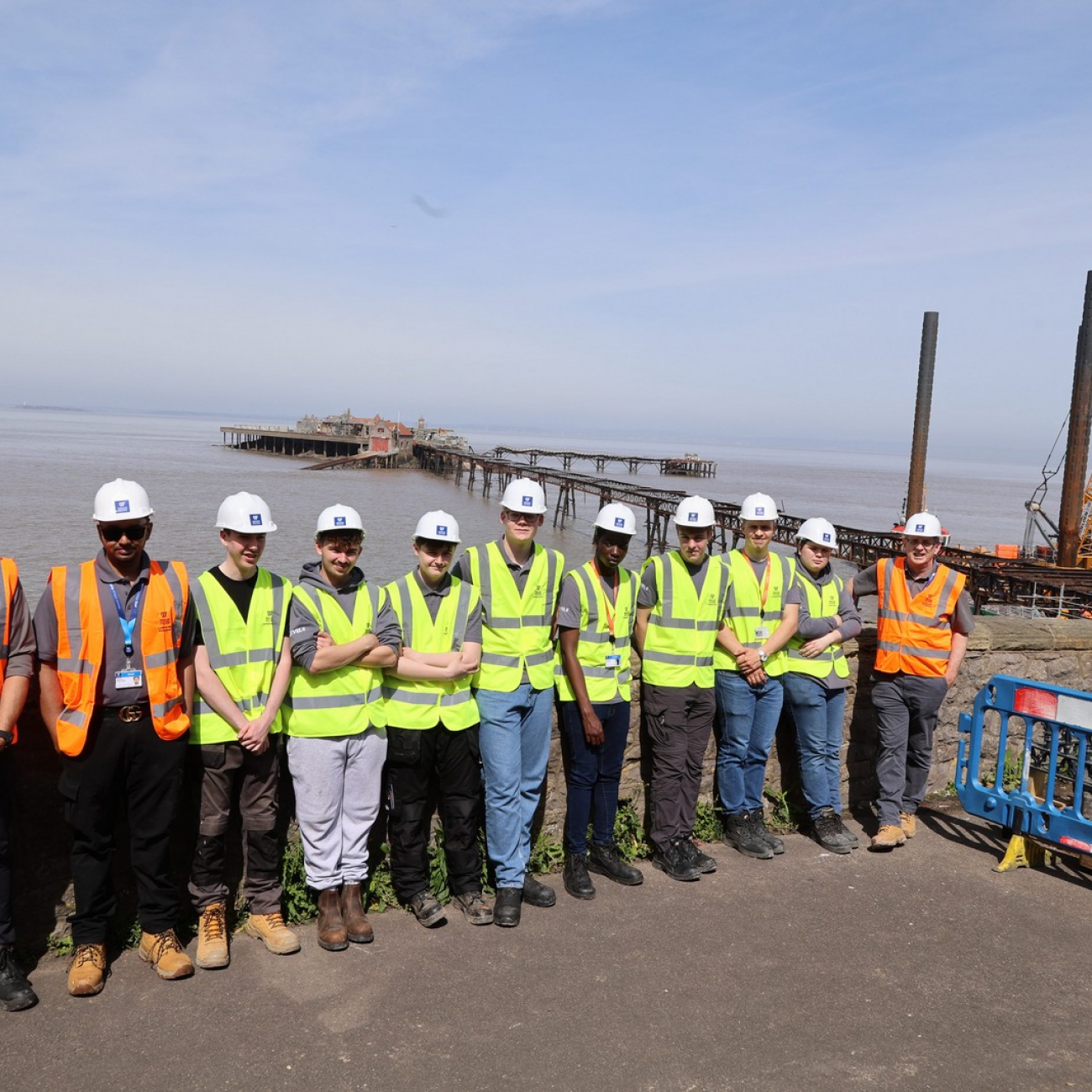
Weston College students studying the T Level in Design, Surveying and Planning for Construction recently went behind the scenes at North Somerset Council’s Birnbeck Pier restoration project, gaining a unique insight into one of the country’s most significant heritage regeneration schemes.
The visit, as part of our partnership with North Somerset Council on the project, provided learners with the opportunity to explore the live construction site. They also heard directly from the industry professionals leading the restoration works, contractors Mackley and Smith and Brenson. Two of the students, Finton and Ashton, are currently completing their industry placements on the project as part of their T Level qualification.
During the visit, students were guided around the site by the contractors, who delivered detailed tours showcasing both the marine engineering and landside elements of the restoration programme. Learners were able to see first-hand the scale and complexity of the works taking place to preserve the historic pier for future generations.
A particular highlight of the day was witnessing a 400-tonne jack-up barge being manoeuvred into position next to the pier bridge, following its transportation from Newport Docks. The operation gave students a rare opportunity to observe specialist marine construction activity up close.
BBC Points West were also in attendance on site to film the project and interview students Finton and Ashton, alongside Construction Professions lecturer Daniel, about the value of industry placements and the importance of hands-on learning within construction education.
The site visit formed as part of Weston College’s continued commitment to providing students with meaningful employer engagement opportunities that complement their classroom studies and prepare them for careers within the construction industry.
Councillor Mark Canniford, North Somerset Council’s Cabinet Member responsible for the Birnbeck Pier project, said: “We’re keen to get as many people involved with the project as possible through our comprehensive community engagement plan, made possible thanks to funding from The National Lottery Heritage Fund. Thanks to Weston College for their willingness to work with us to create opportunities like these which help local young people to access rewarding careers in construction.”
Councillor Catherine Gibbons, Deputy Leader of North Somerset Council and Cabinet Member for Children’s Services, Families, Skills and Lifelong Learning, added: “Industry placements are a key feature of T-Levels, offering students invaluable experience in their chosen fields and equipping them with the skills they need for future careers. What a great opportunity for these local young people to learn on site at such an interesting heritage project of national importance. I’m pleased to see the council continuing to partner with Weston College as part of our wider strategy to ensure that our children and young people are given opportunity to thrive.”
Weston College would like to thank North Somerset Council for arranging the visit, as well as Mackley and Smith and Brenson for hosting the tours and sharing their expertise with students.

Last week, our Performing Arts students took to the stage at The Winter Gardens Pavilion for their original production, One Night Only. Performed in front of friends, family, and members of the public, the show brought together a variety of disciplines to celebrate the students’ talent, creativity, and hard work throughout the academic year.
The production featured an exciting mix of dance, song, acting, and musical theatre, with students recreating scenes from popular musicals alongside original performances. From solo acts and duets to larger ensemble pieces, every student had the opportunity to showcase their individual strengths while supporting one another in collaborative performances.
Choreographed by Joe Miller, Directed by Lisa Frost and Fiona Philp, and Produced by Joe Miller and Lisa Frost, the production not only highlighted students’ performance abilities but also gave them valuable experience behind the scenes. Some students choreographed their own routines, helping to develop their leadership, creativity, and organisational skills, while others supported the marketing of the event by designing the programme and promotional materials.
The project encouraged students to explore all areas of performing arts, helping them build a well-rounded understanding of the industry and develop the versatility needed for future careers. Through rehearsals and live performance, students strengthened their confidence, communication, teamwork, and stage presence which are essential skills for success in the performing arts sector.
Productions such as One Night Only provide students with invaluable hands-on experience, giving them the opportunity to perform in front of large audiences while gaining insight into the many elements required to deliver a professional production. Experiences like these not only prepare students for the realities of the industry but also encourage them to step outside their comfort zones and grow as performers.
Joe Miller, Performing Arts Lecturer at Weston College, said:
“Being able to organise performances like this is fantastic because it brings together all student’s individual talents and strengths, while also giving them the opportunity to perform in disciplines where they may not feel as confident. This prepares them for the industry by encouraging them to step out of their comfort zones and perform in front of live audiences.”
“It’s fantastic to see how far they’ve all come since the start of the academic year, and I’m looking forward to seeing them all shine again in our upcoming performance of Fiddler on the Roof Jr. in June.”
Well done to all the students who were involved in this performance!
This production forms part of the Performing Arts Careers Excellence Hub. Weston College's Career Excellence Hubs are designed to be the launching pad for our learners' careers. In a world where connections and relevant skills matter more than ever, these hubs offer a holistic approach that prepares learners to thrive in their chosen industries. With the support of these hubs, our learners are well-equipped to make a significant impact in their professional journeys.
Progress to the next level in Performing Arts! At University Centre Weston (UCW) our students give us impressive feedback, with our latest National Student Survey results putting us above average in all nine areas! Find out more about our exceptional teaching, wellbeing services and learning resources by visiting our website. Click here!
If you are passionate about education and are looking for an opportunity to join the staff team at a leading college, then look at the latest job vacancies available at Weston College here. You can find all the latest job opportunities that Weston College has to offer, with a commitment to providing quality education for learners and a focus on continuous professional development for staff, Weston College is an excellent place to work and grow in your career.

University Centre Weston (UCW), in partnership with the University of the West of England (UWE), is celebrating the approval of its first new Degree Apprenticeship for Weston College’s new campus in Filton: the BEng (Hons) Electronics Engineering and Embedded Systems Design programme.
The approval marks an important milestone for UCW, and Weston College as a new Advanced Manufacturing Technical Excellence College (TEC), strengthening opportunities for learners and employers while responding directly to the evolving needs of industry.
Developed through collaboration with employers, the programme has been carefully designed to ensure that apprentices graduate with the practical and technical skills increasingly required across engineering and technology sectors. Its approval follows months of planning, consultation and curriculum development, creating a programme that reflects both current and emerging industry requirements.
The degree apprenticeship has been designed to bridge the gap between academic learning and real-world application, providing apprentices with the opportunity to gain industry experience while developing specialist engineering expertise.
For prospective students, the programme offers a compelling route into a high-growth sector. Apprentices will have the opportunity to earn while they learn, gain a recognised honours degree, and develop highly sought-after technical skills in electronics engineering, embedded systems and digital technologies. Through hands-on, practice-based learning, students will work with industry-relevant technologies and challenges that mirror real workplace environments.
The programme also supports learners who may be seeking an alternative pathway to a traditional university experience by combining academic achievement with practical experience and professional development.
For employers, the apprenticeship provides access to a pipeline of skilled talent tailored specifically to business and sector requirements. Organisations increasingly require engineers capable of operating across multiple disciplines; combining electronics, software, systems thinking and emerging technologies. The programme has been developed with these needs in mind, enabling employers to upskill existing staff and attract new talent equipped with practical, workplace-ready capabilities.

The benefits extend across the wider engineering and technology sector. As industries continue to evolve through digital transformation, automation, smart technologies and connected systems, demand for professionals with expertise in embedded systems and electronics continues to grow. Developing these skills locally helps address workforce shortages, strengthen innovation and support long-term economic growth.
The programme also reflects the increasing importance of industry and education partnerships in creating a workforce prepared for future challenges. By aligning learning outcomes with employer requirements, UCW is helping to ensure that graduates and apprentices are equipped with the skills needed to make an immediate impact.
This achievement represents another significant step forward for UCW and the Weston College Group as a TEC and creates opportunities for continued growth, stronger employer engagement and expanded educational pathways for future learners.
As technology continues to shape industries worldwide, the launch of this degree apprenticeship positions Weston College Group at the forefront of delivering skills that matter - for students, employers and the future of the engineering sector.
Find out more about this course by clicking here!
WHICH LEVEL IS RIGHT FOR ME?